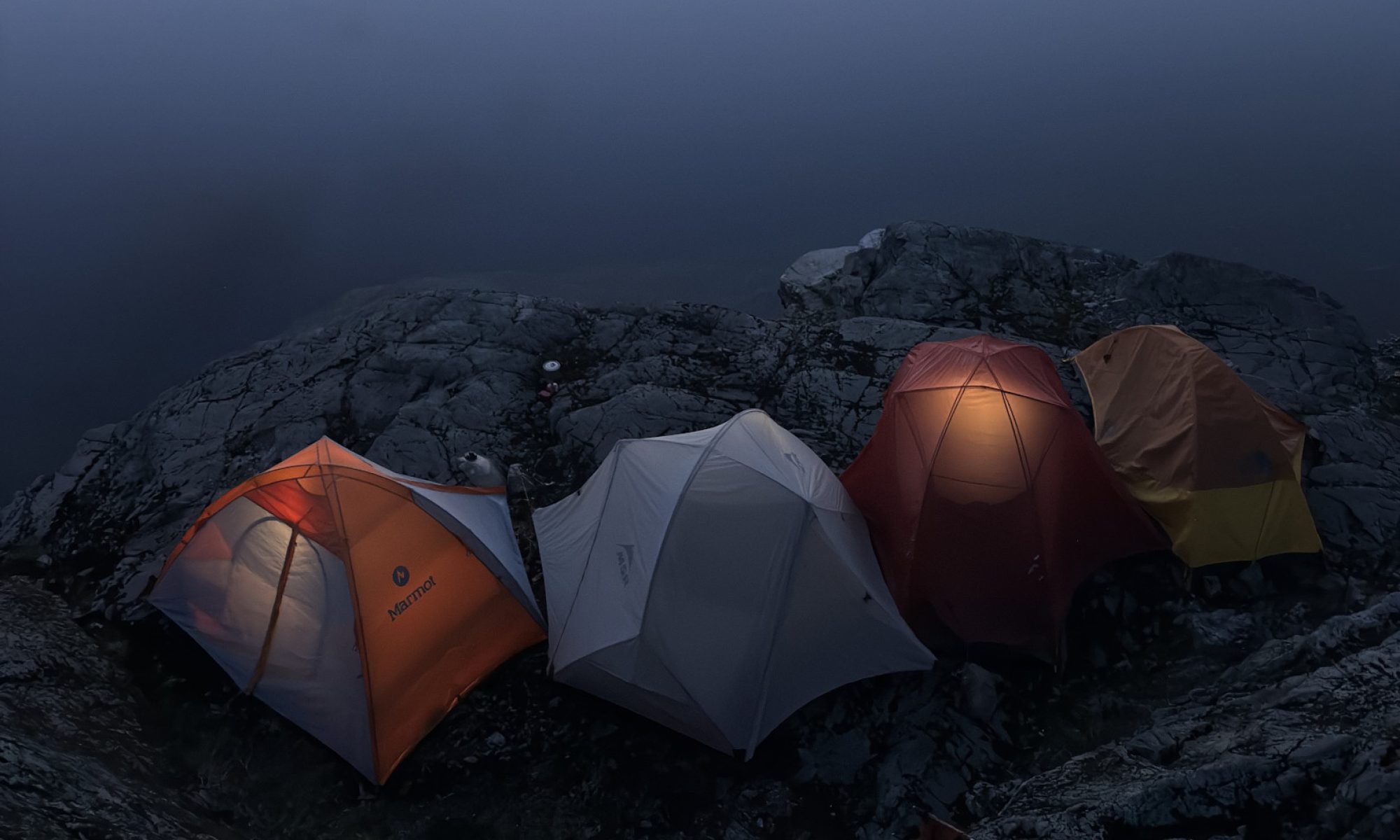

Winter/Snow Camping Gear List
This list is a starting point for camping in cold and snowy conditions. You may not need everything listed here, and some trips will require additional equipment. What you need depends on the weather, location, route and length of the trip.
Check the trip information and adjust your equipment to match the conditions and your own needs. This list was adapted from REI’s winter camping checklist.
Note: The club has some equipment available in the library.
Know before you pack
Packing for a trip isn’t always black and white. The equipment you need depends on the trip, conditions and your own needs. Check the trip information and make sure you know:
-
-
- Expected weather and route conditions
- Avalanche forecast for the region
- Distance and difficulty of the trip
- Expected day and nighttime low temperatures
- Time the sun sets
- Plan that you will have to melt water to refill
- What group equipment the trip leader is providing
-
The 10 Essentials
-
- Navigation/Communication — map, compass, whistle, GPS, satellite communicator, battery packs and cables
- Sun protection — glacier glasses or sunglasses, sunscreen, lip balm and sun hat
- Insulation — extra clothing
- Illumination — headlamp or flashlight
- First aid — first-aid kit and personal medications
- Fire starter — waterproof matches or lighter
- Repair kit — multitool with knife, repair tape, cord, patches and equipment-specific spare parts
- Nutrition — extra food
- Hydration — water and an insulated bottle; hydration bladder hoses can freeze
- Emergency shelter — tent, bivy, tarp or other shelter appropriate for the trip
Travel Equipment (Contextual)
-
- Snowshoes or touring skis
- Trekking poles (with snow baskets)
Base Kit Equipment
-
- Backpack – approximately 40–60 L, depending on the length of the trip and your equipment. Your pack should fit properly and be comfortable when fully loaded. It should also allow you to attach needed technical equipment.
- Pack liner or waterproof bags/stuff sacks
- Four-season tent with cordage for guying the tent in strong winds
- Sleeping bag appropriate for the expected overnight temperature
- Insulated sleeping pad suitable for conditions; you may consider adding a dense foam pad for use under the mattress too
- Pillow or stuff sack for clothing, if desired
Clothing
Avoid cotton. Synthetic or wool clothing dries faster and retains more warmth when damp.
-
- Sturdy boots appropriate for the temperatures that are compatible with your snowshoes, skis and/or crampons
- Synthetic socks or wool socks for cold weather
- Base layer — synthetic or wool
- Mid layer — fleece or other insulating layer
- Warm synthetic or down jacket
- Warm hiking pants suitable for winter conditions
- Waterproof/windproof shell jacket
- Waterproof shell pants suitable for your type of activity
- Warm hat/toque
- Synthetic mitts and gloves (at least one pair of each)
- Gaiters
- Neck gaiter or buff
Camp Clothes:
- Keep these clothes dry until you reach camp.
-
- Dry shirt/base layer
- Dry pants
- Warm dry socks
Cooking, Food and Water:
-
- Stove, pot and fuel
- Eating utensils, cup, bowl, spoon
- Water treatment –consider you’ll have to melt water, filter, tablets or drops
- Snacks enough for each day + 1 extra day
- Dinners for each night + 1 extra night
- Lunches for each day
- Water containers — choose containers appropriate for the conditions. In freezing conditions, hydration hoses can freeze
- Food storage: bear-resistant container or approved food-hanging system as required for the trip
Personal Items and Hygiene
-
- Toiletry kit — hand sanitizer, toilet paper, hand soap, toothbrush and toothpaste
- Small hand trowel, where required
- Personal hygiene items — wipes, menstrual products, etc.
- Small face/hand towel
- Garbage bags or other method for packing out waste
Additional safety gear
Some trips may require specialized equipment. The trip leader will identify what is needed for the specific trip.
-
- Avalanche transceiver (1 per person)
- Avalanche probe (1 per person)
- Snow shovel (1 per person)
- Slope meter
- Snow saw
- Helmet (and compatible jacket, and a layer for under your helmet)
- Mountaineering axe
- Crampons compatible with your boots
- Optional Extras:
-
- Long underwear, synthetic or wool
- Extra socks and underwear
- Rain hat
- Camp shoes or booties
- Sleeping gloves
- Extra gloves
- Balaclava/Facemask
- Insulating sleeping bag liner
- Hand warmers
- Three-quarter length foam pads for sitting, use for first aid, and for under your sleeping mattress
- Ski pants or down pants
- Camera
- 2 Kitchen garbage bags (useful for hands/feet in a pinch)
- 3/4 body-length foam pad for sitting and first aid
Optional Trailhead Items
Mice sometimes get into vehicles while people are away. If possible, hang food, used dishes and other items that may attract them.
These items can be left in your vehicle for the trip home:
-
- Clean change of clothes
- Dry shoes
- Towel
- Rewarding drink and car snacks for a long ride home
- Bag for dirty, smelly clothes